Essential Routine Maintenance for Your Vehicle's Longevity

Maintaining your vehicle is not just about keeping it looking good; it's about ensuring it runs efficiently and lasts for years to come. Regular maintenance can prevent costly repairs down the line and enhance your driving experience. In this post, we will explore essential routine maintenance tasks that every vehicle owner should prioritize to ensure their vehicle's longevity.

Understanding the Importance of Routine Maintenance
Routine maintenance is crucial for several reasons:
Safety: Regular checks can identify potential issues before they become serious problems, ensuring your vehicle is safe to drive.
Performance: A well-maintained vehicle performs better, providing a smoother and more efficient ride.
Cost-Effectiveness: Preventative maintenance can save you money by avoiding major repairs that can arise from neglect.
Resale Value: A vehicle with a documented maintenance history is often more valuable when it comes time to sell or trade it in.
Key Maintenance Tasks to Consider
1. Regular Oil Changes
Changing your oil regularly is one of the most important maintenance tasks. Oil lubricates the engine, reduces friction, and helps keep it cool. Over time, oil breaks down and becomes less effective.
Frequency: Most manufacturers recommend changing the oil every 5,000 to 7,500 miles, but always check your owner’s manual for specific guidelines.
Tip: Consider using synthetic oil for better performance and longer intervals between changes.
2. Tire Care
Your tires are the only contact your vehicle has with the road, making their maintenance critical.
Tire Pressure: Check tire pressure monthly. Under-inflated tires can lead to poor fuel economy and increased wear.
Tread Depth: Use the penny test to check tread depth. Insert a penny into the tread; if you can see Lincoln's head, it’s time for new tires.
Rotation: Rotate your tires every 5,000 to 7,500 miles to ensure even wear.
3. Brake Inspection
Brakes are vital for your safety. Regular inspections can help you catch issues early.
Signs of Wear: Listen for squeaking or grinding noises, which can indicate worn brake pads.
Fluid Check: Ensure the brake fluid is at the proper level and clear of contaminants.
4. Battery Maintenance
A dead battery can leave you stranded. Regular checks can help extend its life.
Cleaning: Keep the battery terminals clean and free of corrosion.
Testing: Have your battery tested annually, especially before winter.
5. Fluid Levels
Your vehicle relies on various fluids to operate smoothly. Regularly checking and topping off these fluids is essential.
Coolant: Check the coolant level to prevent overheating.
Transmission Fluid: Ensure the transmission fluid is at the correct level and in good condition.
Brake Fluid: Regularly check brake fluid levels and replace it as needed.
6. Air Filter Replacement
A clean air filter improves engine performance and fuel efficiency.
Frequency: Replace the air filter every 15,000 to 30,000 miles, or as recommended in your owner’s manual.
Tip: If you drive in dusty conditions, consider changing it more frequently.
7. Wiper Blade Replacement
Good visibility is crucial for safe driving. Worn wiper blades can impair your ability to see clearly in rain or snow.
Frequency: Replace wiper blades every 6 to 12 months, or sooner if you notice streaking or skipping.
Tip: Consider using winter blades in snowy climates for better performance.
8. Light Checks
Ensure all your vehicle's lights are functioning properly for safety.
Frequency: Check headlights, brake lights, and turn signals monthly.
Tip: Replace burnt-out bulbs promptly to maintain visibility.
Seasonal Maintenance Tips
Spring Maintenance
Check the AC: As temperatures rise, ensure your air conditioning system is working efficiently.
Inspect Belts and Hoses: Look for cracks or wear that could lead to breakdowns.
Summer Maintenance
Coolant System: Ensure your coolant system is functioning properly to prevent overheating.
Tire Check: Hot weather can increase tire pressure; check and adjust as necessary.
Fall Maintenance
Battery Check: Prepare for colder weather by testing your battery.
Wiper Blades: Replace blades to ensure clear visibility during rain or snow.
Winter Maintenance
Tire Inspection: Consider winter tires for better traction in snow and ice.
Fluid Levels: Ensure all fluids are topped off and suitable for cold temperatures.
The Role of Professional Inspections
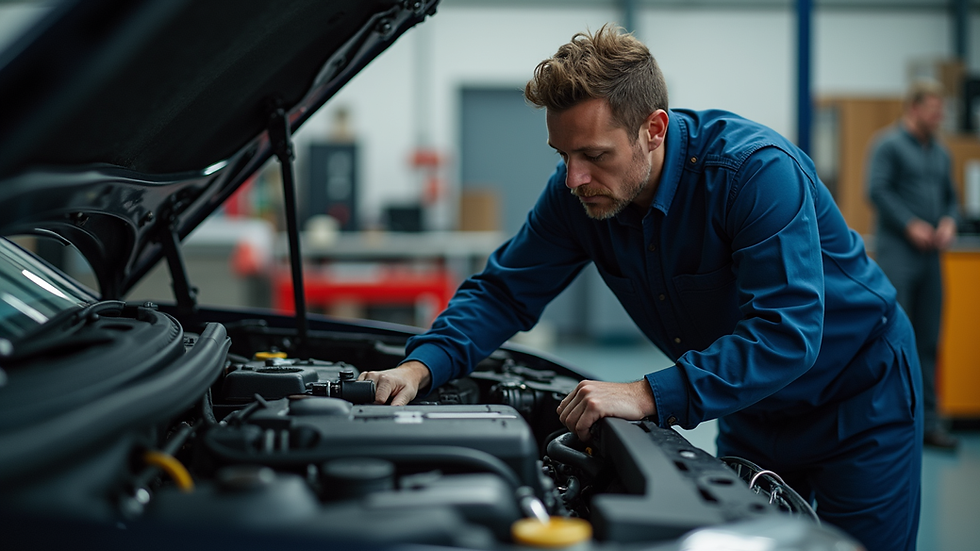
While many maintenance tasks can be performed by vehicle owners, professional inspections are invaluable. Mechanics can identify issues that may not be apparent to the average driver.
Annual Check-Up: Schedule a comprehensive inspection at least once a year.
Diagnostic Tests: Mechanics can run diagnostic tests to catch potential problems early.
Conclusion
Routine maintenance is essential for the longevity of your vehicle. By following these key maintenance tasks and seasonal tips, you can ensure your vehicle remains safe, efficient, and reliable for years to come. Remember, investing time and effort into maintaining your vehicle now can save you significant costs and headaches in the future. Take action today and schedule your next maintenance check!

Comments